

25 Mar What is Telematics and How Does it Improve Fleet Safety?
A single unsafe driving moment can lead to multiple issues—vehicle damage, injury risk, delayed deliveries, and rising insurance costs. Many fleets see these incidents repeat because risky behavior remains unnoticed until it’s too late.
Traditional oversight can’t keep up with modern operational demands. That’s where fleet telematics changes the game by turning everyday driving activity into actionable safety data.
In this article, you’ll learn what telematics is, how it works, and why it’s an essential tool for reducing claims and supporting modern fleet safety solutions.
What is Telematics?

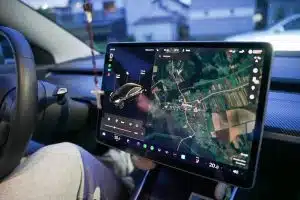
Telematics is a device installed in a vehicle that uses connected technology to collect, transmit, and analyze operational data. It combines GPS-based fleet tracking, onboard vehicle sensors, and wireless data transmission with analytics tools to provide insight into how vehicles are driven and maintained.
In practice, telematics capture both real-time and historical data on location, speed, driving behavior, and vehicle condition, providing fleet operators with a clearer picture of operational risk and safety trends across their vehicles.
How Does Telematics Work in Fleet Operations?
Telematics begins with devices installed in fleet vehicles. Installed devices collect information during vehicle operation and securely transmit data to centralized dashboards or reporting platforms.
Fleet managers use this information to identify safety trends, address risky behaviors early, and support fleet risk reduction through more informed, proactive decision-making without disrupting operations or adding administrative burden.
Common Data Points Collected by Telematics
Telematics strengthens fleet safety and risk management by gathering a wide range of data, including:
- Speed and acceleration: Highlights speeding and aggressive driving
- Harsh braking and cornering: Signals unsafe maneuvers often linked to near-misses or collisions
- Idling time: Identifies inefficient behavior that may indicate fatigue or poor route planning
- Seatbelt usage (where applicable): Supports accountability and compliance with safety policies
- Vehicle diagnostics and fault codes: Flag mechanical issues that could compromise roadworthiness
- Trip duration and routes: Reveals long driving periods or risky routes
How Telematics Improves Fleet Safety
A report showed that the U.S. vehicle telematics market will reach approximately USD 26.15 billion by 2032, driven by growing demand for data-driven fleet oversight and safety improvements. This growth reflects the fact that telematics has become a foundational element of modern fleet safety strategies. Below are key ways telematics directly improve safety outcomes.
Identifies Risky Driving Behaviors & Supports Safer Driver Training
 Telematics supports driver behavior monitoring by revealing unsafe patterns such as speeding or harsh braking before accidents occur. Early visibility enables fleets to address risks proactively rather than respond after damage or injury.
This preventive telematics approach shifts focus from discipline to improvement, with research showing that high-risk drivers who engage with feedback significantly improve. One study found that driver behavior monitoring via telematics reduced distracted driving by 20%, hard braking by 10%, and speeding by over 25%.
When used correctly, telematics functions as a fleet safety technology that promotes learning, not just surveillance.
Reduces Accident Frequency and Severity
Safer driving behaviors directly lead to fewer accidents and reduced incident severity. Telematics also supports more efficient routing and scheduling, helping limit excessive drive time and reduce driver fatigue, a major contributor to crashes.
By identifying risky patterns early and optimizing vehicle operations on the road, operators can intervene before incidents occur. This proactive approach strengthens fleet accident prevention, lowers overall risk exposure, and helps prevent avoidable incidents across operations.
Improves Vehicle Maintenance and Roadworthiness
Fleet telematics improves vehicle maintenance by identifying mechanical issues early, avoiding safety risks and costly downtime. Early warnings, such as alerts for engine faults, low battery conditions, and tire pressure issues, help fleets address issues as soon as possible and support proactive maintenance. This keeps vehicles in a safe, reliable condition, reducing breakdowns and helping fleets maintain consistent, roadworthy performance.
How Does Telematics Safety Data Improve Claims Management?
Telematics and claims management work together by providing a rich, reliable data set that supports faster, more accurate decisions, especially after an accident. Here’s how telematics data strengthens post-incident claims handling:
 Clear timelines: Time-stamped data establishes exactly when and where an incident occurred, reducing uncertainty.
- Vehicle speed and behavior context: Recorded driving behavior provides factual insight into conditions at the time of the crash.
- Faster incident reporting: Automated alerts and data capture accelerate initial reporting and documentation.
 Clear timelines:
Moreover, the accuracy and consistency of telematics data improve the overall claims process:
- Reduce claim disputes: Objective data helps resolve disagreements over fault and circumstances.
- Improve investigation efficiency: Adjusters spend less time reconstructing events and more time progressing the claim.
- Shorten claim cycle times: Faster verification speeds resolution and reduces vehicle downtime.
Telematics as Part of a Holistic Safety Strategy
Telematics delivers the most value when fleets integrate it into a broader safety framework that aligns people, policies, and processes.
- Driver training programs: Telematics data identifies coaching opportunities and supports targeted training to improve safe driving behaviors.
- Safety policies: Driving data helps reinforce policies with measurable expectations and consistent enforcement.
- Accident response procedures: Immediate alerts and incident data improve response times and provide accurate post-accident review.
- Claims management processes: Objective data strengthens documentation, reduces disputes, and accelerates claim resolution.
Telematics data enhances human decision-making by providing clear, actionable insight. Fleet leaders still apply judgment, experience, and context to turn that data into safer operations and better outcomes.
Key Takeaways
Fleet safety doesn’t improve by chance; it improves when leaders can clearly see what’s happening on the road. Fleet telematics provides that visibility by turning data into actionable insight that helps prevent accidents, protect drivers, and reduce operational risk.
Telematics, when paired with training and clear policies, transforms into a powerful safety tool rather than just a tracking system. Strategically using telematics helps fleets develop safer driving habits, enhance vehicle reliability, and boost long-term performance.
Discover how Fleet Response can transform your telematics data into effective safety strategies that reduce risk and enhance claims management. Contact us today for tailored, data-driven safety solutions.
Frequently Asked Questions (FAQ)
1. Is telematics only for large fleets?
Telematics works for fleets of all sizes, from small commercial operations to enterprise organizations. Scalable platforms enable fleets to adopt features based on their needs and growth plans.
2. Can telematics help with regulatory compliance?
Yes, telematics supports regulatory compliance. Staying compliant with hours-of-service (HOS) rules and Electronic Logging Device (ELD) mandates is critical for fleet safety and avoiding penalties. Telematics data can automate:
- Driver log tracking to ensure accurate HOS records
- ELD reporting to meet federal logging requirements
- Audit preparation by organizing records in one system
This automation reduces manual errors and improves the efficiency of audits and compliance reporting.
3. Can telematics integrate with other fleet management tools?
Yes, most modern telematics platforms integrate with other fleet management tools. You can connect with systems such as Enterprise Resource Planning ERP, Customer Relationship Management, fuel cards, maintenance software, and routing tools, which provide real-time data.
4. How much does it cost to implement telematics?
Costs vary based on features, fleet size, and hardware requirements, but many fleets offset implementation expenses through reduced accidents, fuel savings, and lower claims costs.
You can consult with Fleet Response to evaluate options and identify a telematics approach that aligns with their operational needs and safety goals.
5. Are telematics devices difficult to install or maintain?
Telematics devices range from plug-and-play units to hardwired systems that require professional installation. While most devices need minimal maintenance once installed, proper setup requires technical knowledge to avoid data errors or potential damage to a vehicle’s electrical system.