

21 Jan Did You Know Fuel Management Is a Key to Fleet Safety?
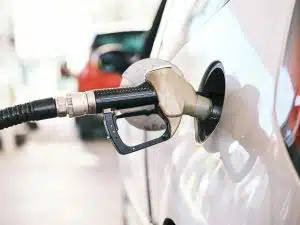
Fuel may seem like a cost issue, but its usage can grant insight into fleet safety. Fuel accounts for 30–40% of total operating costs, and while fleets can’t control fuel prices, they can control how fuel is used through fuel management—revealing risky driving, mechanical issues, and operational gaps.
Fuel management shifts the focus from cost tracking to proactive risk prevention and operational insight. In this article, we’ll explore how fuel data uncovers driver behavior, supports preventive maintenance, and helps fleets build safer, more efficient operations.
Fuel Data: A Hidden Safety Resource
Through fleet fuel monitoring, fleets collect fuel data from multiple sources, which helps uncover hidden risks. Common sources include:
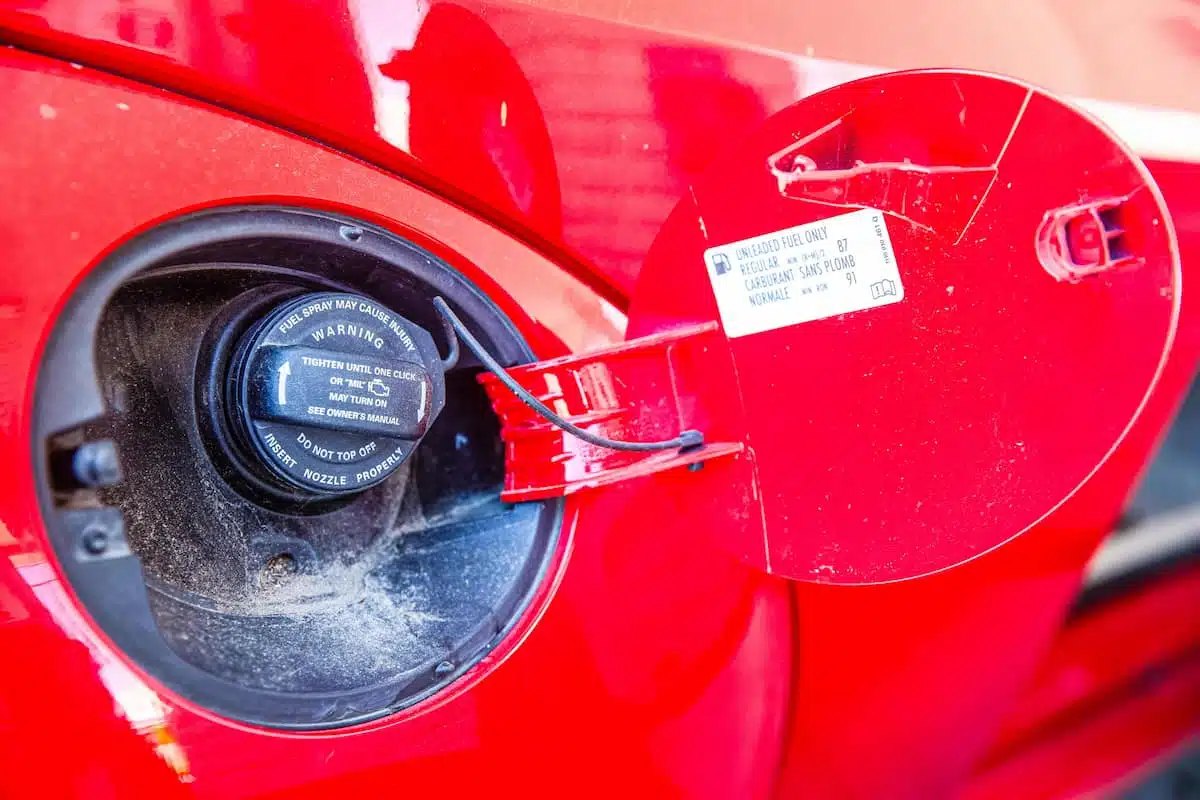
- Fuel card transactions: Record where, when, and how much fuel each vehicle purchases, helping identify anomalies or misuse.
- Onboard telematics data: Track real-time fuel consumption, idle time, speed, and engine load to connect usage with driving behavior.
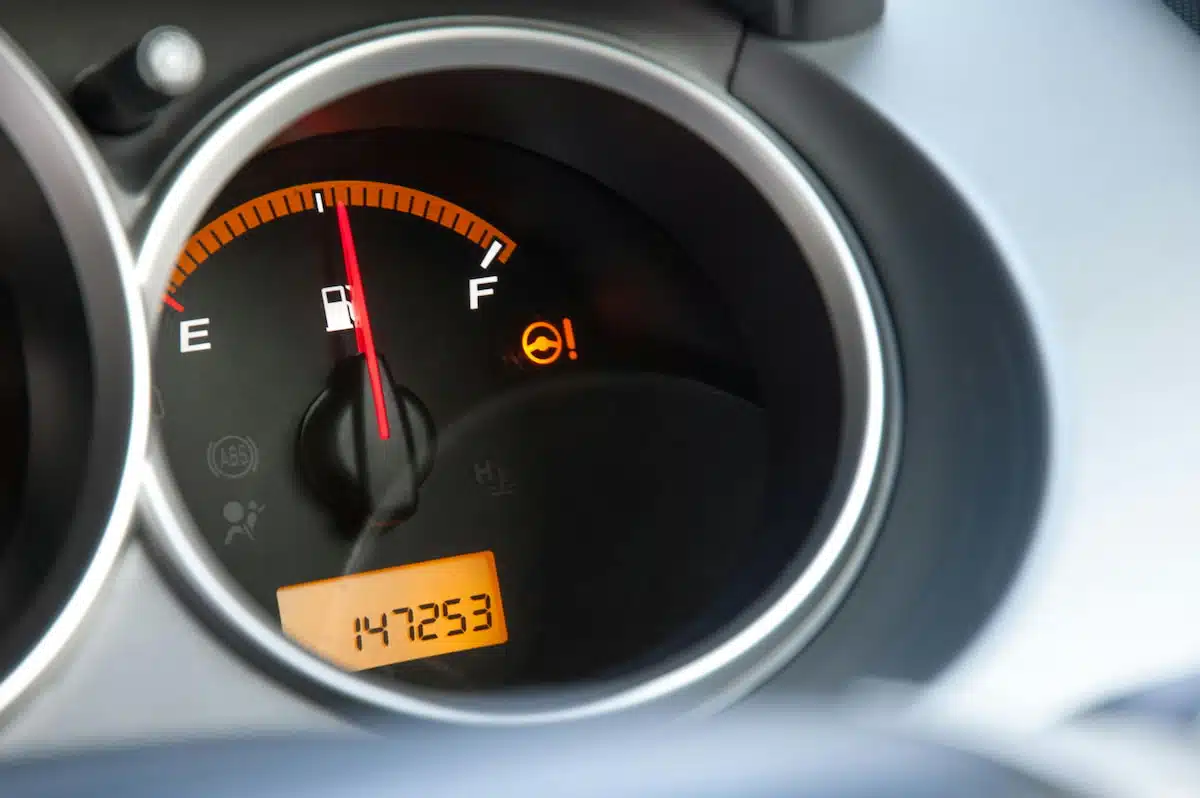
- Vehicle engine sensors: Provide mile-per-gallon (MPG) readings and fuel burn rates that highlight performance issues or maintenance needs.
Over time, fuel consumption trends often align with broader commercial vehicle safety risks, allowing fleets to identify issues before they lead to accidents, breakdowns, or costly downtime.
Research from the U.S. Department of Energy shows that aggressive driving behaviors can reduce fuel economy by up to 30% while significantly increasing crash risk, reinforcing the connection between fuel usage and fleet safety.
Linking Fuel Efficiency to Driver Behavior
Driver habits have a direct impact on fuel consumption and fleet safety. Aggressive behaviors, such as speeding, rapid acceleration, and harsh braking, waste fuel and increase the risk of accidents, making driving behavior one of the most controllable factors in fleet operations.
Fuel efficiency trends often reveal unsafe habits like overspeeding and unnecessary idling. According to data from the U.S. Department of Energy:
- Overspeeding: Driving just 5 mph over the speed limit is equivalent to paying about $0.27 more per gallon, meaning slowing down by 5–10 mph can generate noticeable savings when fuel averages $3.83 per gallon.
- Idling: Idling can consume 0.25–0.5 gallons of fuel per hour, while turning the engine off saves approximately $0.02–$0.04 per minute, especially when the A/C is running.
By analyzing driver behavior and fuel efficiency patterns, fleets can identify coaching opportunities that reduce risk, improve compliance, and promote safer driving, without relying solely on incident reports.
The Maintenance Connection: Catching Issues Early

Changes in fuel efficiency often signal mechanical issues before a vehicle fails on the road. Drops in MPG can indicate engine inefficiencies, misalignment, faulty sensors, or tire-related problems that compromise both performance and safety.
Even small factors matter. Underinflating tires by just 10 PSI can increase fuel consumption by about 1%, while using the manufacturer’s recommended motor oil grade can improve MPG by up to 1%. When these gains or losses scale across an entire fleet, the impact becomes significant.
Using fuel data to guide preventive maintenance helps fleets avoid breakdowns, reduce roadside incidents, and protect drivers. Early detection improves safety while reducing long-term repair and downtime costs associated with fuel consumption and safety risks.
How Fuel Management Systems Support Safety
A fuel management system is a mix of hardware and software that ensures secure access, monitoring, and control of fuel storage and use.
These systems provide fleets with real-time visibility into fuel usage during operations. Monitoring helps fleet managers identify abnormal use, indicating unsafe driving, unauthorized use, or mechanical issues, enabling early intervention before accidents, breakdowns, or fuel loss occur.
When integrated with telematics, fuel management systems link fuel consumption to speed, idling, routes, and driving events. Exception reporting then highlights unusual patterns, helping fleets address safety risks, improve compliance, and optimize fuel use.
Best Practices for Turning Fuel Data Into Safer Operations
Fuel data becomes a powerful safety asset when fleets integrate fuel management into everyday decision-making and long-term operational strategy. Here are some best practices to help turn fuel insights into safer fleet operations.
Centralized Fuel Tracking
Centralized fuel tracking utilizes fleet management software to collect, compare, and analyze fuel data across all vehicles and locations on a single platform. This enhances visibility into fuel procurement, usage patterns, and anomalies, helping fleets identify safety trends and inefficiencies early while ensuring consistent reporting.
Driver Coaching Based on Fuel Insights
Fuel efficiency data, such as MPG trends and idling time, provides insight into driver behavior. This helps fleet companies identify which specific areas each driver needs coaching in. Fleets can then offer targeted guidance that reduces risk, improves compliance, and promotes safer driving without relying solely on incident feedback.
Incentivize Safe, Fuel-Efficient Driving
Reward programs that recognize consistent efficiency and safe habits encourage long-term behavior change. Incentives tied to fuel efficiency reinforce smoother driving, lower accident risk, and improved operational discipline.
Fuel Management and Safety FAQ
1. How can fuel consumption data reveal unsafe driving behavior?
Fuel spikes often indicate excessive speeding, harsh braking, rapid acceleration, or prolonged idling. These behaviors increase both fuel usage and accident risk.
2. Which fuel metrics indicate driver or vehicle safety issues?
Sudden drops in MPG, inconsistent fuel usage on similar routes, and excessive idle time often indicate unsafe driving habits or emerging mechanical problems. Monitoring these metrics helps fleets identify risks early.
3. Can fuel data help prevent accidents?
Yes, fuel data can help prevent accidents by identifying risky driving behaviors and vehicle issues before they lead to incidents. Early intervention enables fleets to address problems proactively, rather than reactively after a crash.
4. What role does idling play in fuel usage and safety?
Excessive idling increases fuel consumption and may indicate unsafe practices such as fatigue, improper parking, or inefficient route planning. Reducing idling improves fuel efficiency while supporting safer vehicle operation.
5. How does integrating telematics improve safety and fuel reporting?
Integrating telematics connects fuel data with speed, braking, location, and driving events, creating a more complete view of operational risk. This integration enables fleets to make more informed decisions regarding safety and compliance.
Fuel Data as a Safety Strategy
Fuel insights do far more than track expenses—they provide a practical lens into driver behavior, vehicle health, and operational risk. When fleets treat fuel management as a safety-driven discipline, they gain earlier visibility into issues that lead to accidents, downtime, and rising costs.
Now is the time to elevate fuel tracking from a financial report to a core safety strategy. Contact Fleet Response today for a consultation on fleet management solutions tailored to your organization.