

05 Aug How Technology Drives Success in Modern Fleet Management
Fleet operations are more complex than ever, and manual systems can’t keep up.
Today’s fast-paced logistics world demands more speed, accuracy, and control than paper logs or phone calls can offer. That’s where technology steps in, reshaping how modern fleets operate, communicate, and scale with improved fleet performance and operational efficiency.
This blog will explore how technology drives success in modern fleet management, from the core tools leading the change to the tangible benefits they bring. Whether you’re managing five vehicles or five hundred, tech makes a measurable difference.
The Digital Shift in Fleet Operations
Fleet management once relied on paper logs, radio calls, and handwritten updates. Information often came in late, got lost, or lacked detail, making it hard to make timely decisions. Operations moved slowly, and managers relied heavily on guesswork.
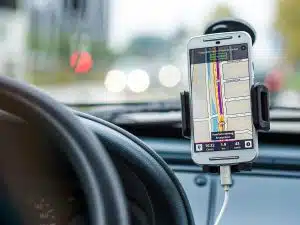
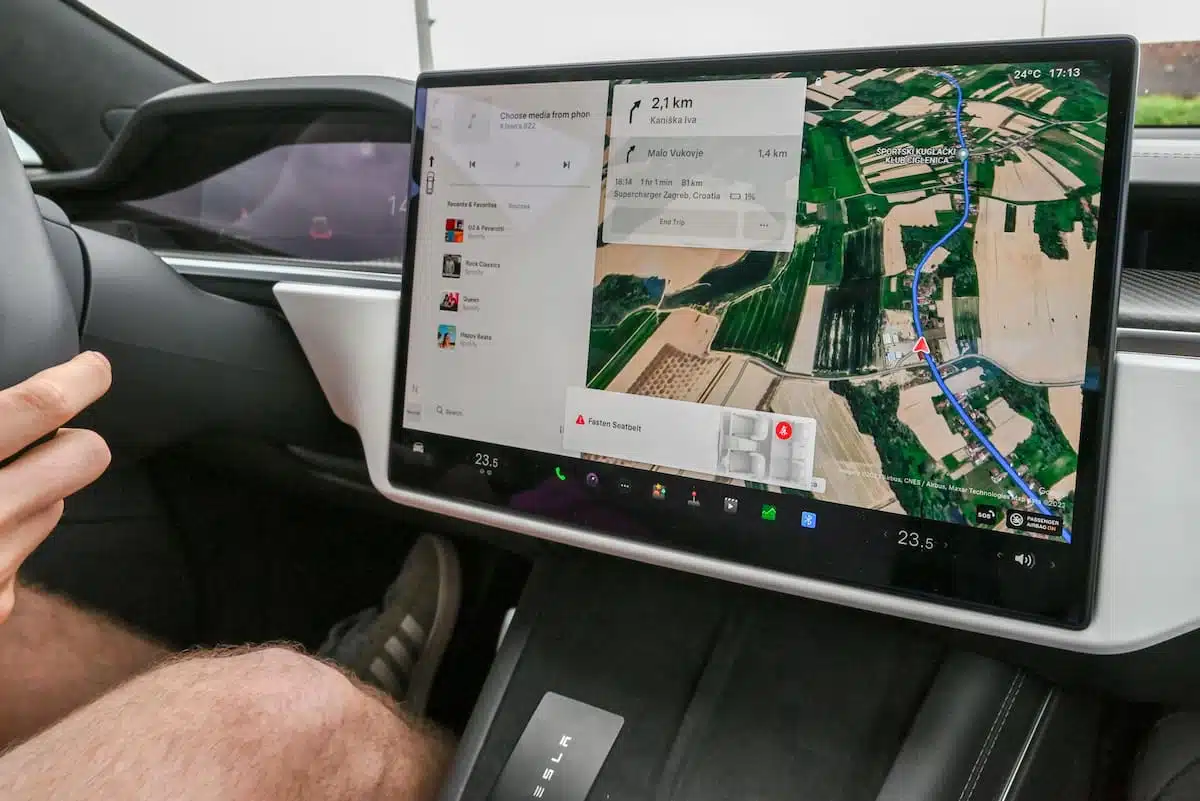
The shift began with mobile phones and GPS tools integrated into fleet management systems, eventually evolving into smart software and automated dashboards. Real-time tracking replaced daily check-ins, and digital tools automated route planning, fuel tracking, and vehicle alerts.
Fleets that adopted technology early due to industry shifts and customer needs gained faster decision-making, lower costs, and improved service delivery. They stayed ahead of competitors who were still stuck with outdated methods. Early digital adoption now defines leaders in modern fleet management.
Key Technologies Powering Fleet Success
Behind every high-performing fleet today are intelligent, connected systems designed to simplify operations and improve results. Let’s look at the top fleet technology solutions driving efficiency, safety, and real-time decision-making across the industry.
Telematics & GPS Tracking
Telematics combines GPS with vehicle data to give fleet managers real-time visibility into location, speed, and vehicle performance. It eliminates guesswork and helps managers make smarter, faster decisions.
These systems also integrate with tools that monitor fuel usage, idle time, and engine power. By optimizing routes and detecting inefficiencies early, fleets can improve driver safety and cut operational costs.
Predictive Maintenance & Vehicle Health Monitoring
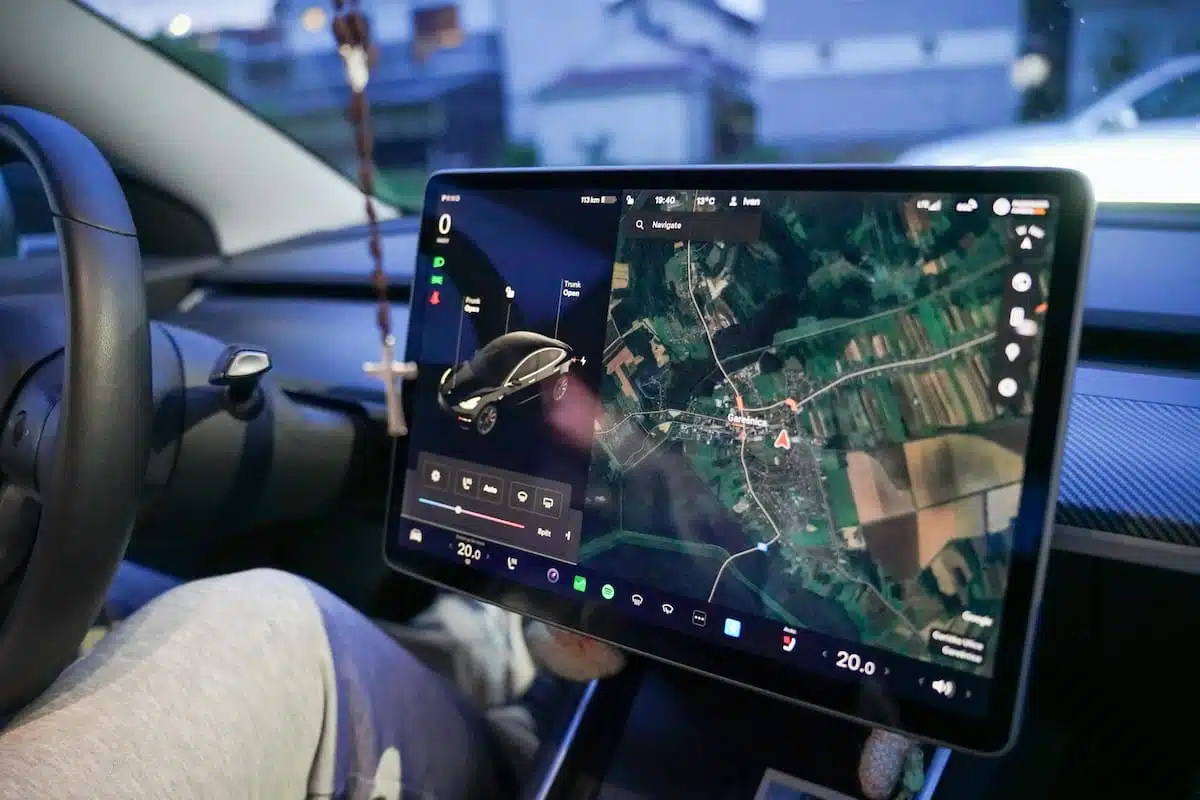
Predictive maintenance uses IoT sensors and diagnostic tools to monitor engine health, tire pressure, battery life, and more while the vehicle is on the road. This enables fleet operators to detect mechanical issues early and act before they cause breakdowns.
By applying predictive analytics, managers can strategically plan maintenance schedules, avoiding emergency repairs and minimizing disruptions. This approach improves vehicle maintenance, reduces downtime, and extends the lifespan of fleet assets.
Driver Behavior & Safety Monitoring
Modern systems monitor driver behavior by tracking harsh braking, speeding, aggressive turns, and extended idling. This data is key in enabling fleet managers to understand how safely and efficiently their teams operate on the road.
With these insights, companies can strengthen their driver management strategy by coaching at-risk drivers, reinforcing safe habits, and recognizing top performers. Over time, this improves safety, reduces accidents, and builds a more responsible driving culture across the fleet.
Benefits of Fleet Technology Integration
Technology is more than just a tool—it’s a force multiplier for modern fleets. Integrating effectively unlocks key advantages directly impacting your bottom line and daily operations.
- Lower operating costs: Automation reduces manual workload, while route optimization, intelligent routing, and maintenance tracking cut unnecessary expenses across the fleet.
- Fewer accidents: Real-time safety monitoring and behavior data help prevent risky driving, reducing collisions and costly liability claims.
- Better fuel efficiency: Optimized routes, reduced idle time, and improved fuel management lead to fewer refueling stops and more innovative fuel use.
- Faster response and recovery: Immediate alerts and connected systems speed up decision-making during breakdowns, minimizing downtime and disruptions.
These data-driven improvements are vital in optimizing fleet operations, leading to more predictable performance, scalable growth, and long-term success in an increasingly competitive industry.
How to Implement Fleet Technology Strategically
Adopting new technology can feel overwhelming, but a step-by-step plan makes it manageable and effective. The key is to match the right tools with your goals while building buy-in across your team.
- Assess current pain points: Identify issues like delayed dispatch, rising fuel costs, or unplanned repairs.
- Choose scalable software: Look for solutions that grow with your fleet and integrate features like GPS, telematics, and maintenance tracking.
- Train drivers and staff: Ensure everyone (from dispatchers to drivers) knows how to use the tools confidently and consistently.
- Measure KPIs for performance: Track data such as downtime, accident rates, and fuel use to measure improvement over time.
When done right, technology adoption becomes more than a fix-it; it becomes a growth driver. Expert consultation provides decision-makers with valuable insight into how technology drives success in modern fleet management and ensures the implementation delivers long-term results.
Takeaway
Understanding how technology drives success in modern fleet management is the first step toward building a smarter, more resilient operation.
By embracing digital tools, fleets can improve performance, stay compliant, and outpace the competition in today’s fast-moving landscape.
Discover how your fleet can thrive with the right tech! Schedule a consultation with Fleet Response today.