

05 Aug Solutions for Fleet Accident Response & Recovery

Fleet accidents are inevitable, but responses don’t have to be slow and disorganized. The moments after a crash are crucial. How you respond can mean the difference between minor disruption and major losses like vehicle damage, delays, or rising insurance premiums.
A quick, well-structured plan helps reduce vehicle downtime, protect your drivers, speed up claims, and prevent rising costs.
This article explores practical solutions for fleet accident response and recovery, such as tools and strategies that give you control in chaos and help your team bounce back faster and smarter.
Why a Fast Response Plan Matters

Delays in post-accident response can make a bad situation worse. Without a plan, you risk extended downtime, confused drivers, and skyrocketing claims—all of which hurt operational efficiency.
Insurance investigations may drag on, drivers may feel unsupported, and critical details can be missed. These gaps not only delay recovery but also compromise fleet safety.
The goal? Keep your team safe, your assets secure, and your claims moving quickly.
A fast response plan matters because it helps preserve vital evidence, accelerate communication, and minimize the financial and legal fallout of an incident. Most importantly, it encourages preparedness, reduces team stress, and ensures your fleet is ready to respond when an accident happens.
Key Solutions for Fleet Accident Response and Recovery
This section will explore the core steps that turn a reactive scramble into a strategic accident management and risk management plan built to enable immediate response and effective recovery.
Real-time Accident Reporting Technology
Modern fleet management solutions include mobile apps and telematics boxes that allow drivers to report accidents immediately. These tools instantly capture location, speed, and impact details, providing accurate data without waiting.
This fast reporting helps teams respond quickly, notifying fleet managers, support staff, dispatch, and management in real-time. It sets accident protocols in motion right away, helping fleets start documentation and support without delay.
24/7 Driver Support & Wellness Checks
After an accident, drivers may feel shaken, confused, or even injured. Immediate wellness checks are essential to ensure driver safety and provide reassurance during high-stress moments.
A care-first approach helps identify injuries, reduce emotional stress, and protect the driver’s physical and mental well-being. It also reinforces a safety culture where drivers know they’re supported and not alone in difficult situations.
Centralized Incident Documentation
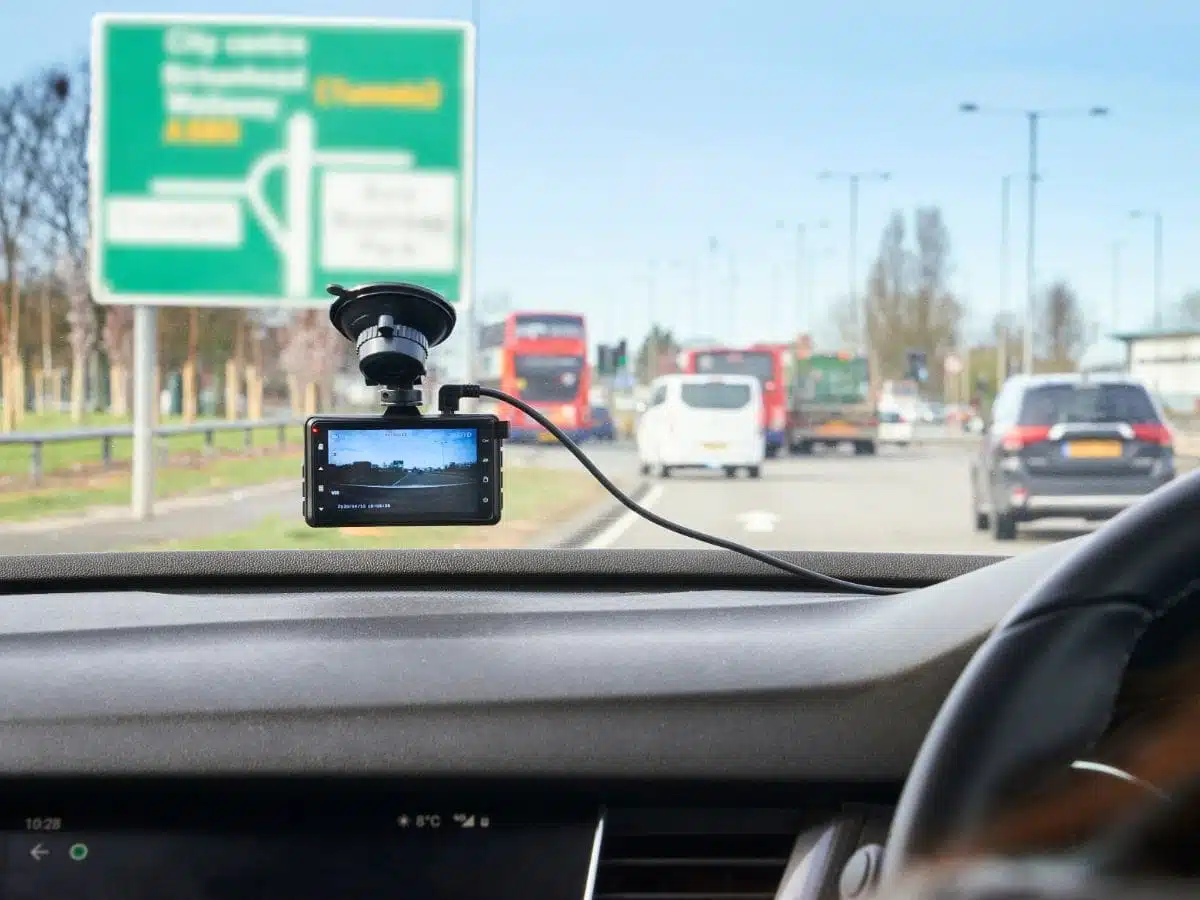
In the past, drivers often scattered accident data across phones, handwritten notes, or verbal statements. Today, incident reporting is more efficient thanks to digital tools that support proper documentation and comprehensive reporting, all stored in one secure platform, such as:
- Mobile apps for uploading photos and GPS-tagged incident data
- Cloud-based forms for real-time report submission
- Voice recording features for driver statements
- Dash cam footage integration for visual evidence
This streamlined process supports a smoother accident recovery process, speeds up claims, reduces documentation errors, and helps build a stronger legal and insurance case if needed.
Accident Investigation & Claims Management
Accident claims can be complex, involving multiple steps like report collection, evidence review, and insurer communication. Even slight delays at any stage can slow the entire claims process, increase costs, and extend vehicle downtime.
Partnering with a company like Fleet Response can help manage documentation and insurer coordination, making the process faster and less burdensome so your team can stay focused on core operations.
Vehicle Recovery & Repair Coordination
After a crash, getting a vehicle towed, assessed, and into a shop for vehicle repairs can be a significant logistical challenge. Delays at any step can keep that vehicle out of service for days or even weeks.
Having a straightforward process and progress updates helps minimize downtime. It ensures the proper steps are taken quickly so vehicles return to service without unnecessary delays.
Integrating These Solutions Into Your Fleet Operations
Having tools in place is only the beginning. You need a complete response strategy tailored to your fleet vehicles to protect your drivers, maintain regulatory compliance, and effectively manage fleet accident management.

- Driver Training: Regular training ensures drivers know how to respond after a crash and reinforces safe habits through mock accident drills and real-world scenarios.
- System Integration: Connecting your reporting, documentation, and tracking systems allows seamless data sharing and supports continuous improvement across all operations.
- Vendor Partnerships: Working with trusted partners gives you access to expert resources, structured workflows, and internal response protocols that help streamline post-incident procedures.
By integrating these elements into your operations, you create a more prepared, responsive, and resilient fleet—one that’s ready to handle any incident with clarity, control, and smarter decision-making processes.
Takeaway
Accidents can happen at any time, but having clear solutions for fleet accident response and recovery makes all the difference. A well-prepared plan allows targeted interventions, faster resolutions, and reduced repair costs.
From incident reporting to driver care, documentation, and vehicle recovery, each step plays a role in protecting your people and assets and aligning with industry standards.
Partner with Fleet Response to minimize downtime, support your drivers, and take control of every accident scenario.